20 Top Ideas for Buying Fabric by the Metre in Lichfield, Birmingham and Walsall
The Fabric Shops Of Lichfield From Dresses To Draperies, You Have To DiscoverLichfield's name in the field of retailing for fabrics is often obscured either by the vast market of Birmingham or Walsall's unpretentious offering. It is a far more fascinating truth: Lichfield hosts a collection of specialised, often unexpected fabric stores which operate on the principle of curated discovery, rather than large-scale supply. These aren't huge warehouses, but rather caves like Aladdin's. In this area, the line between dress fabric and drapery is intentionally blurred. The shops offer unique opportunities for the highly-skilled designer, home sewer or interior enthusiast. This guide goes beyond simple retail categories to explore the ten specific reasons Lichfield's fabric scene demands an ardent visit, and reveals how its boutiques and specialists offer a creative alternative to the conventional, turning the search for fabric by the metre into an inspiring cross-pollination.
These are the top 10 things You need to know.
1. Designer dress fabrics can be transformed into striking curtains by using the "End-of-Bolt Alchemy".
Lichfield's smaller boutiques frequently acquire limited runs of high-end designer dress fabrics--silks fine wools, fine silks and stunning jacquards. If there are only 3-5 metres left on one bolt, it's economically unprofitable for designers however it is perfect for a stunning single window covering. You can find the heavyweight silk dupion typically for bridal wear, with enough body and sheen to make stunning, brilliant curtains for a bay window. These shops actively promote the remnants of these to soft furnishings, providing an exclusive, gallery-like material you'll not find in a standard curtain collection.
2. The Haberdashery: Curtain Trimmings That Transform the Standard
Lichfield is famous for its amazing merchandise in the form of haberdasheries. Although they offer dress fabrics by the metre, their unparalleled power is in trimmings. It is possible to turn linen curtains purchased from a Birmingham market into custom-made curtains. They provide a wide selection of stunning braids and fringes that are antique-styled. Also, tassels with ornate designs are available. They have a dressmaker's eye for details and can provide advice on how to create a custom-made frame, using the piping cord or a contrast band of silk.
3. The Vintage & Linen specialist: Fabrics have a biography.
In a quiet corner, Lichfield boasts specialists dealing in antique textiles, deadstock as well as European household linens. You can find fabric with lots of historical and character here. A patinated French bed sheet can be transformed into curtains for a relaxed Provencal style. These shops understand the importance of fabric when it comes to telling a story. They are able to offer advice on sensitive laundering and gentle restoration.
4. The Dressmaker's Eye for Drape: A superior understanding of fluid Movement.
Shop assistants are employed in Lichfield's boutiques. They are usually dressmakers with formal textile training. The knowledge of the "hand" as well as the "drape" that is, how fabric moves, is far superior to a typical furniture salesperson. If you're looking for curtains that have a fluid, soft fold rather than a rigid, formal fold, the salesperson will direct you to the suiting wools or heavy rayons in the section for dress fabrics. They'll explain how the diagonal grain of the fabric is used to create the illusion of falling. This technique is derived from the world of haute couture.
5. The "Sample Library' Model: Low-Pressure Exploration High-End Option.
Contrary to the overwhelming bolt-by-bolt experience that warehouses can offer, several Lichfield stores are operated by an organized library system. Browse through books that contain vast swatches which are organized by international mills. They usually contain upholstery and heavier dress fabrics. You can order a cut length according to the yard of your fabric and it'll be delivered from the mill within only a couple of days. This allows you to access an array of different fabrics and textiles that you can't get in a shop floor.
6. The Bridge Between Birmingham Bulk and Walsall The practicality.
Lichfield occupies the crucial middle ground. Birmingham offers a larger selection, but Walsall offers more specialised and quality-focused choices. It's the ideal "second" destination in your fabric search. The main upholstery fabric might be bought from the Birmingham counter and the basic cottons or lining at the Walsall shop. You may want to travel to Lichfield in search of for that perfect, distinctive trim, an original lining material (such as an old-fashioned floral fabric to curtains' backs) or a unique thread. This will add a unique element to the project.
7. Bespoke Service For "Unmakeable Windows"
Small and customer-oriented They excel at solving niche issues. They're the best location to go to for windows that don't conform to traditional solutions like windows with arches that require a perfectly shaped pelmet, a tiny attic casement requiring a miniature, fully-lined curtain, or an desire to utilize a delicate precious fabric (like an heirloom-quality or embroidered dress) in a safe drapery system. The designers recommend work on such a precise scale, which is almost sartorial. They treat each window like an individual garment.
8. Focus on Natural Fibres, Artisan Weaves.
While most chain stores offer polyester, Lichfield independents are big supporters of natural fibres. This is crucial for the environment quality. Pure linens are ideal for bedrooms due to their hygroscopic properties and their breathable. Also, you can find Belgian cottons or English wools. They age gracefully, creating a distinctive crease and a softer hand over time. Curtains are that they are a living, breathing fabric which reacts differently to light and air every day.
9. Afterlife of Fabrics: Cleaning, Caring and Aging.
Selling a fine fabric by the metre comes with a duty of care advice. Staff will carefully explain the way natural dyes change with sunlight (viewed not as fade, instead as patina), how to steam iron pure linen curtains, or the reasons the reason why certain wools should not be dried cleaned. This approach for the long term makes a purchase into a commitment to stewardship. They have established relationships with dry-cleaners restoration services, as well as other experts to create a network of support for the fabric for its entire lifetime.
10. The Creative Catalyst The way these shops Redefine the Project Possibility.
At the end of the day, exploring the Lichfield's unique fabric shops is an act of creativity. It forces you to think beyond the conventional curtain fabric section. It suggests that a thick tweed for a coat could make a chair more comfortable. It proves that a sari's sari's borders can transform into a gorgeous blind's valance. The art of dressmaking, including the precision, finishing, and respect for grain, the look, and texture, is brought into the realm of interior design. You do not leave Lichfield just with an empty bag of cloth. You will also be able to come up with ideas of what fabrics could be in your home, thanks to the curated and cross-disciplinary approach the hallmark of Lichfield's textile havens. Take a look at the top made to measure curtains for blog info including curtain fabric online, custom curtains, curtain in the window, hole in the wall curtains, window with curtains, curtains to blinds, custom curtains, curtains made to measure, curtains blinds, hole in the wall walsall and more.
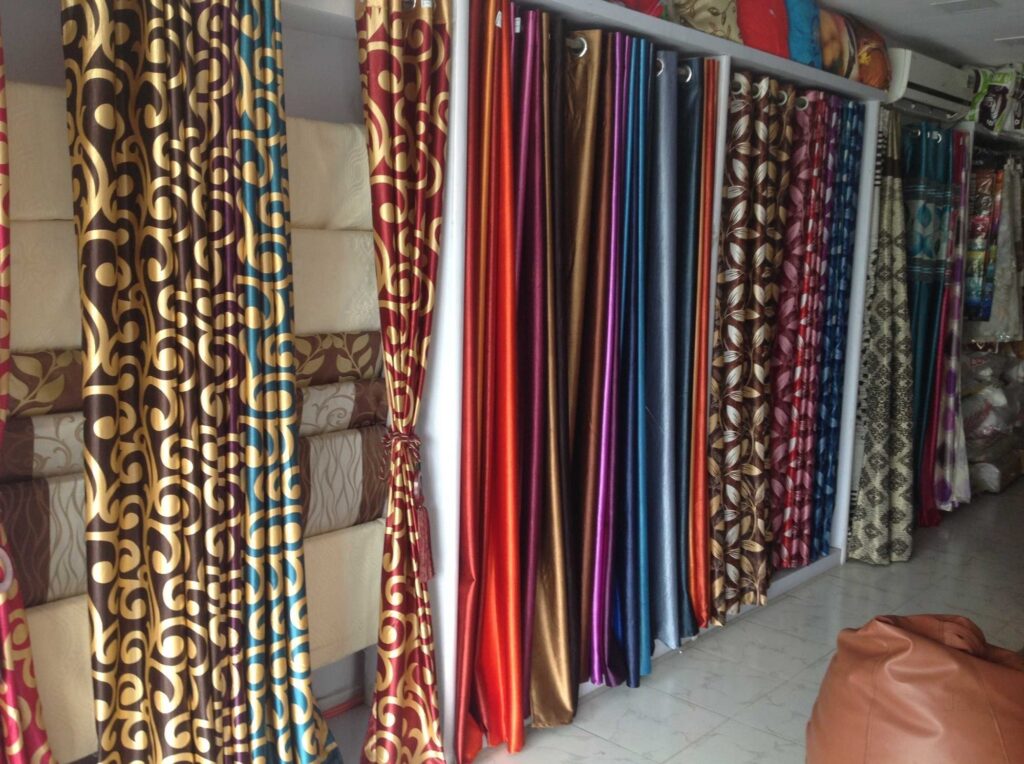
Curtain Fabric 101: Essential Questions To Ask Any Fabric Store
Walking into a fabric shop or an enticing Birmingham market hall, a shrewd Walsall domestic shop or a carefully curated Lichfield boutique, is an overwhelming sensory experience. What you don't observe, but what you are able to ask is often the key to getting the perfect fabric for your curtains. Generic questions yield general and sometimes unhelpful responses. This guide will help you answer ten questions that are technically sound and will turn your conversation into professional consultation. These questions are designed to break through the hype and uncover the true nature the cloth. They also leverage the expertise of various kinds of shops, so you are able to make an informed choice.
Top 10 Things You Need to Know About:
1. "What is the fiber composition and weave name?"
Don't settle for "it's an appearance of linen" or "a cotton blend." Don't opt for "it's a linen look" or "a cotton blend." Ask for specifics. The weave's name -- twill Damask, Satin, Ottomanwill show its structure, strength and light refraction. Birmingham's trade counter can recognize this from the label on the roll. In Lichfield you could learn more about the past and culture of a specific Belgian linen trade union. This is your foundational data that affects care, drape and long-term durability more than color.
2. "What is the fabric's length and how can it be "railroaded" for my project?"
If you assume that all curtain fabric is at 137cm (54") wide is a major mistake. There are fabrics that measure 150cm and some fabrics are 115cm. The width has a direct effect on your metreage as well as seam planning. You can then inquire questions regarding "railroading". Can you run the pattern horizontally across the fabric bolt? The curtain can be cut to the desired length by dividing the fabric width. This is a question that's not frequently asked in the Walsall shop however, contract suppliers from Birmingham know the significance of this feature for large windows and commercial projects.
3. What pattern is it that repeats, and if it is straight-line match?
This is the main dividing line between casual and serious. The repeat of a pattern (e.g. 24-cm) must be considered when calculating yardage. Also, you must inquire if it is a "straight match" or an "dropped match". Straight matches are horizontally aligned across the width; a dropped (or half-drop) match is a mix of bricks, requiring more fabric to ensure that panels are aligned perfectly. This can be demonstrated by an assistant in a shop in Lichfield with an iron. Shop assistants in Lichfield will be able to demonstrate this with the bolt.
4. Do you have a cut or a cut I can look at in the light of my bedroom for all day?
Fabric choices are often revealed by the color changes under different lighting. Under fluorescent lighting, a gold fabric can appear to be into a mustard color when exposed to sunlight. Grey can appear blue. Every reputable store, regardless of whether it's a Birmingham street stall or Lichfield boutique, should provide the buyer a large (at the minimum size of A4) cutting. Beware of shops that refuse to give a large sample or only offer the customer a swatch of postage stamp. This test is not negotiable in the case of custom-made curtains. An investment of a significant amount is at stake, and colour accuracy in situ will determine the success or failure of the project.
5. Is this fabric suitable for heavy domestic use, domestic light use, or contract?
This will help frame your needs with industry-specific terms. The word "heavy domestic" refers to a piece of furniture that is able to handle the demands of daily use in the living area of the family. The "contract" grade, which is found in Birmingham warehouses, has an extremely durable construction and is often accompanied by specific fire ratings that are intended for public areas. It is a way to show the seller how well you understand the criteria for performance by asking. This can also deter them from proposing delicate dress fabrics or light voiles for a high-traffic patio door, a common mis-step when shopping in fabric shops.
6. What is the most effective method of cleaning? And how do you change the fabric after cleaning?
Dry cleaning is the only lazy answer. Press for detail. Is it possible to steam clean in situ? Water spots will they occur? Ask how the fabric *ages* after cleaning. Will linen soften beautifully? Will a cotton printed with vibrant colours fade after the first wash? Will a sateen surface lose its sheen with time? In Lichfield, a specialist might be discussing the patina that forms on natural fibres, while in Walsall they might discuss the benefits and ease of cleaning wipe-clean finishes.
7. "Can you recommend a compatible interlining or lining? Also, do you have them on hand?"
Face fabric consists of a single layer. A reputable shop will look at the entire project. This test shows the level of their technical expertise and whether they are a full resource. They should be able to help you choose the right interlinings for your furniture such as domette or bump (synthetic). Birmingham's trade shop has several options. Walsall may only have a trustworthy option. Lichfield might order premium options.
8. Do you have any recommendations for local curtain manufacturers who make custom curtains?
This is the key to unlocking the local ecosystem. It's worth asking even if you're a DIY. An establishment that has strong, long-standing relationships with several experienced curtainmakers is devoted to the success of their work. They're unlikely to offer you an fabric unsuitable to be used in the making of. In Birmingham the owner of the shop may have a good idea of a workroom for industrial purposes and in Lichfield a skilled small-scale artisan and in Walsall high-quality service. A good fabric shop has a strong network that can be a benefit.
9. "What is the purpose of its light filtering and UV stabilization?"
Don't stop with "is it thin?" Find out how it modulates light. Does it diffuse light softly or create an inviting glow or block completely? It is crucial to inquire about UV resistance. UV light can degrade fibers and cause fade to dyes. Certain fabrics are constructed with UV inhibitors. This is particularly important when windows face south. Technical data will be accessible from an Birmingham provider of hospitality projects. The data will guide the fabric you choose to line and what the fabric will appear like after five years.
10. Do you have a written policy on final sales and do your cuttings remain in the archive?
You're protected by this practical question. If the fabric is measured in the metres, a sale is generally done. Make sure you confirm. Most importantly, inquire whether they have an "cuttings-file"--a tiny snippet of fabric that has been labeled with your name and the batch-number or code of the product. If you need more fabric later for an extra cushion, or for repair damaged areas, matching the dye lot is not possible without this. A well-organized shop, specifically in Lichfield or an Birmingham trade house can provide this service to show that they are your partners in the long-term life of your project, not just a point-of-sale.
